

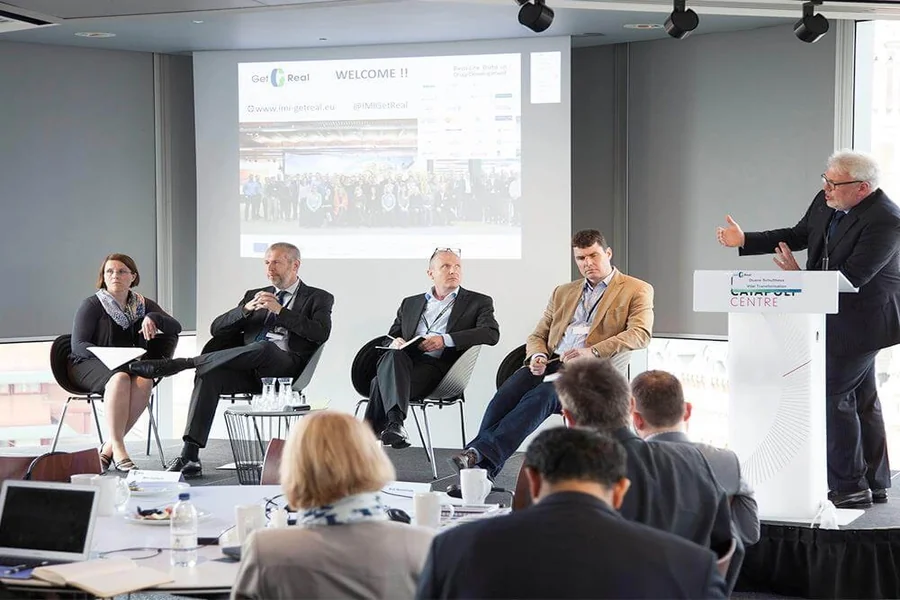
In today’s increasingly globalized world, conferences, business meetings, and international events often bring together participants who speak different languages. To foster meaningful communication in such settings, Simultaneous Interpretation has become indispensable. Unlike consecutive interpretation, which pauses for translations, simultaneous interpretation allows audiences to listen to real-time translations through headsets, ensuring seamless communication.
However, despite its advantages, one major challenge lies in setting up the necessary interpretation infrastructure, particularly when venues present physical or technical limitations. Whether it’s limited space, outdated technology, poor acoustics, or budget constraints, organizers must often find innovative solutions to deliver a high-quality interpretation experience.
This article explores how to overcome these venue-related challenges while maintaining professional standards in simultaneous interpretation.
Understanding Venue Challenges in Simultaneous Interpretation
Before tackling solutions, it’s crucial to understand the common venue-related hurdles event planners face:
- Space Constraints
Interpretation requires booths for interpreters, equipment storage, and sometimes designated control areas. Small venues may lack the space needed for full interpretation setups. - Acoustic Issues
Poor soundproofing, echo-heavy rooms, or excessive background noise can reduce interpreter accuracy and audience comprehension. - Limited Technical Infrastructure
Many venues are not equipped with the cabling, Wi-Fi stability, or audio-visual systems necessary for simultaneous interpretation equipment. - Audience Size and Distribution
Large auditoriums or venues with multiple breakout rooms complicate headset distribution and signal transmission kaiyo. - Budgetary Restrictions
Smaller organizations may struggle to afford extensive setup costs if the venue requires additional equipment rentals or custom installation.
By recognizing these issues upfront, event planners and language service providers can collaborate to create effective solutions.
Strategies to Overcome Venue Limitations
-
Portable and Mobile Booths
Traditional interpreter booths are soundproof, large, and fixed. But when space is limited, portable interpretation booths offer flexibility. These compact, lightweight booths are easy to install, dismantle, and transport, allowing interpretation setups even in small conference rooms.
-
Remote Simultaneous Interpretation (RSI)
With the advent of cloud technology, Remote Simultaneous Interpretation (RSI) has transformed the industry. Instead of requiring physical booths, interpreters can work remotely using secure online platforms. Attendees can access translations through smartphones, tablets, or specialized apps connected to the venue’s audio system.
-
Wireless Interpretation Systems
Venues with challenging layouts, such as multiple halls or breakout areas, can benefit from wireless systems. These systems rely on radio or infrared transmission, ensuring clear audio delivery without complex wiring.
-
Leveraging Hybrid Solutions
A growing trend in Simultaneous Interpretation is the hybrid model—combining on-site and remote interpreters. This approach provides flexibility while reducing pressure on physical venue setups.
-
Optimizing Acoustics with Portable Technology
For venues with poor soundproofing or echo issues, event organizers can use directional microphones, noise-canceling headsets, and portable acoustic panels to improve clarity.
-
Pre-Event Site Assessments
Conducting detailed site inspections before the event helps identify potential challenges related to power, internet, acoustics, and space.
-
Smart Seating and Venue Layouts
Creative seating arrangements, reconfigured stage layouts, or using corners for booths can optimize space in tight venues.
-
Collaborating with Venue Management
Strong communication with venue staff can unlock practical solutions like repurposing backstage areas, using existing AV setups, or arranging additional power sources.
Cost Considerations When Overcoming Venue Limitations
Adapting simultaneous interpretation setups to venue constraints can affect budgets. However, understanding cost structures helps optimize investments:
- Portable booths reduce installation expenses compared to custom-built booths.
- RSI platforms cut travel and accommodation costs for interpreters.
- Wireless systems minimize cabling and installation labor costs.
- Hybrid setups balance affordability with comprehensive language coverage.
Future Outlook: Technology as a Game-Changer
The future of Simultaneous Interpretation lies in technology-driven solutions that adapt to venue challenges. AI-powered speech recognition, real-time translation software, and 5G connectivity promise more efficient setups, particularly in unconventional venues. Additionally, the demand for sustainable and eco-friendly event practices may further encourage the use of remote and hybrid models, reducing the carbon footprint of traditional setups. These forward-looking innovations are not only transforming conferences but also shaping the expectations of a modern luxury lifestyle, where seamless communication, advanced tools, and global access are standard features of high-quality experiences.
Best Practices for Event Organizers
To maximize the effectiveness of simultaneous interpretation despite venue limitations, organizers should:
- Plan early and factor interpretation into venue selection and budgeting.
- Partner with experienced language service providers.
- Conduct technical rehearsals to identify and fix potential issues.
- Brief speakers, moderators, and staff on microphone use and communication flow.
- Prioritize audience comfort with reliable headsets and uninterrupted translation.
Conclusion
Delivering effective Simultaneous Interpretation is not just about linguistic expertise—it’s also about overcoming physical, technical, and logistical challenges posed by venues. By embracing portable solutions, remote technologies, and hybrid models, event organizers can ensure seamless multilingual communication regardless of space or infrastructure constraints.
As global events continue to grow, adaptability in interpretation setups will remain essential. With strategic planning, collaboration, and innovative tools, overcoming venue limitations is not just possible—it’s an opportunity to enhance inclusivity and accessibility for diverse audiences.
