

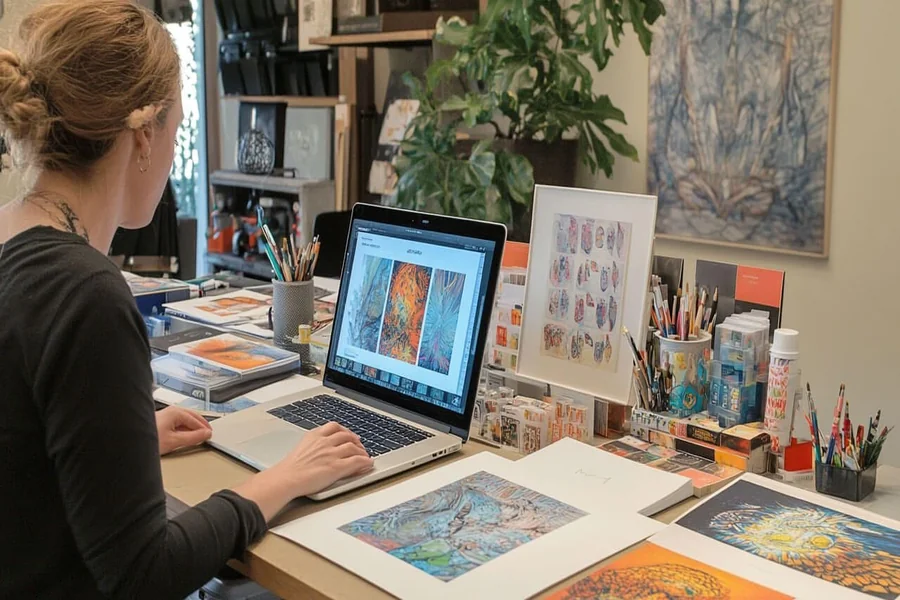
For artists and photographers, creating stunning visuals is only half the story—the real challenge is transforming that art into products people can buy and love. The internet has made this easier than ever, but choosing the right tools is what separates a side project from a thriving creative business. The good news? You no longer need to manage inventory, handle printing, or build complex websites to monetize your work. This guide explores the best online platforms that help creatives turn their art and photography into professional, sellable products—without compromising quality or creativity.
1) Society6 – A Marketplace Built for Artists, Not Just Products
Society6 is one of the most artist-friendly platforms for transforming art into high-quality lifestyle products. It handles everything—printing, packaging, and shipping—while you focus on creating. Once uploaded, your designs automatically appear on multiple product types, from wall art to bedding to phone cases.
Best for: artists who want to monetize their prints and patterns without managing logistics.
What sets it apart:
- Premium-quality printing and global fulfillment.
- Artists retain full control of pricing for art prints.
- Community visibility through curated collections and trending tags.
- Passive income potential through repeat buyers and featured placements.
Pro Tip: Upload artwork in multiple sizes and color variants to expand your reach across different products—Society6’s algorithm favors creators who diversify their product catalog.
2) Printful – The Professional Route to Branded Merchandise
Printful is a print-on-demand powerhouse that connects directly with e-commerce platforms like Shopify, Etsy, and WooCommerce. For photographers and visual artists, this means your work can be printed on apparel, tote bags, posters, and more—under your brand name, not someone else’s.
Why creatives use it:
- White-label printing—your customers see only your brand.
- Consistent color accuracy and material quality.
- Product mockup generator to visualize designs before publishing.
- Worldwide printing and fulfillment centers for fast shipping.
Pro Tip: Order product samples before launching your store. Seeing your artwork in physical form helps you spot design tweaks (like margins or color adjustments) that make a big difference in the final customer experience.
3) Adobe Express – Design, Brand, and Print Seamlessly
Adobe Express is the go-to for creatives who want a full design-to-product pipeline without complexity. It gives artists and photographers access to intuitive tools for turning artwork into product-ready designs, social graphics, or physical prints. Whether you’re designing posters, cards, or mugs, Adobe Express combines simplicity with Adobe’s world-class creative engine.
Why it’s perfect for creatives:
- A huge library of professional templates for prints, apparel, and merchandise.
- Direct export options for high-resolution and print-ready formats.
- Integration with Adobe Stock and Photoshop for professional workflows.
- Background removal and color palette tools that enhance photography instantly.
Pro Tip: Use Adobe Express’s “Brand Kit” feature to create consistent color schemes and typography across all your product designs. This gives your portfolio a unified identity that customers will recognize anywhere they shop.
4) Redbubble – The Artist-First Marketplace With Built-In Audiences
If your style is bold, colorful, or niche-focused, Redbubble is an excellent option. It’s an artist-driven marketplace where you can sell art across a range of physical goods, from apparel to stickers to wall art. Redbubble’s built-in customer base gives you visibility without needing to run ads.
Key benefits:
- Free to join and upload unlimited designs.
- A large, active marketplace with millions of monthly visitors.
- Diverse product catalog—from journals to home décor.
- No upfront costs or inventory risk.
Pro Tip: Use keyword-rich titles and tags that match buyer intent (e.g., “minimalist landscape print” instead of just “photography”). Redbubble’s search system rewards clarity and specificity.
5) Fine Art America – For Serious Photographers and Painters
Fine Art America is the bridge between fine-art presentation and e-commerce convenience. It’s ideal for photographers, painters, and digital artists looking for high-end print quality and professional presentation. Each product—whether it’s a framed print, canvas, or metal wall piece—feels gallery-grade.
Standout features:
- Museum-quality printing and framing options.
- Built-in artist portfolio websites.
- Licensing opportunities for commercial buyers.
- Global distribution with fine-art quality control.
Pro Tip: Write a story-driven product description. Buyers connect with the meaning behind an image, not just the composition. Adding context about your process or inspiration can dramatically boost conversions.
6) Zazzle – Versatile Platform With Endless Customization
Zazzle gives artists and photographers complete creative freedom to design everything from stationery to apparel to home décor. What makes Zazzle unique is its customization flexibility: customers can tweak designs themselves, meaning your art becomes the foundation for personalized products.
Why it’s worth exploring:
- High-quality printing on a huge variety of products.
- Royalty-based pricing structure—set your own earnings.
- Strong customer base looking for customizable items.
- Integrated marketplace exposure and search tools.
Pro Tip: Create themed collections (like “Botanical Home Décor” or “Modern Photography Gifts”) to improve discoverability. Shoppers love cohesive collections they can buy from in one click.
🖼️ FAQ: Mug Design Tips for Creatives Turning Art Into Functional Products
Mugs are one of the most popular product types for creatives because they blend utility with personality. Whether you’re a photographer capturing scenic landscapes or an illustrator creating bold designs, mugs give your art everyday visibility. Below are some frequently asked questions to help you master mug design.
Q1: What’s the easiest way to design a custom mug online?
Adobe Express offers one of the most straightforward tools for creating custom mugs. You can use its custom mug designer to upload art, experiment with layouts, and preview realistic mockups instantly. It’s a perfect balance between creative control and user-friendliness.
Q2: Which online platforms print the best-quality custom mugs for artists?
For consistently sharp, color-accurate prints, Printful and Redbubble are top choices. Both use high-quality ceramic and fade-resistant inks. Printful is better if you want to sell mugs under your own brand, while Redbubble handles all customer service and order fulfillment directly.
Q3: How can I ensure my mug designs look good when printed?
Always design at 300 DPI (dots per inch) and stay within the print area guidelines provided by your platform. Avoid putting text or crucial artwork near the mug’s handle edges, as they can distort during wrapping. Test your design by ordering a sample before making it public.
Q4: What design styles sell best for mugs?
Simple, bold designs with clear focal points tend to perform best. Popular themes include motivational quotes, nature photography, minimalist patterns, and character illustrations. Buyers want mugs that express personality—so think emotion, not just visuals.
Q5: Are there eco-friendly options for printing custom mugs?
Yes. Companies like Zazzle and Society6 have started offering eco-conscious printing methods and packaging. Additionally, look for ceramic or stoneware mugs sourced from sustainable materials and avoid plastic-based coatings when possible.
The tools available today have leveled the playing field for artists and photographers. You no longer need to choose between creativity and commerce—you can have both. Platforms like Adobe Express, Society6, and Printful empower you to turn your work into tangible products that customers cherish. Start with one product line, refine your designs, and focus on storytelling that connects your art to people’s lives. The goal isn’t just to sell—it’s to share your vision through products that make art part of the everyday experience.
When your creativity meets the right technology, your portfolio becomes a brand, and your art starts working for you.
